

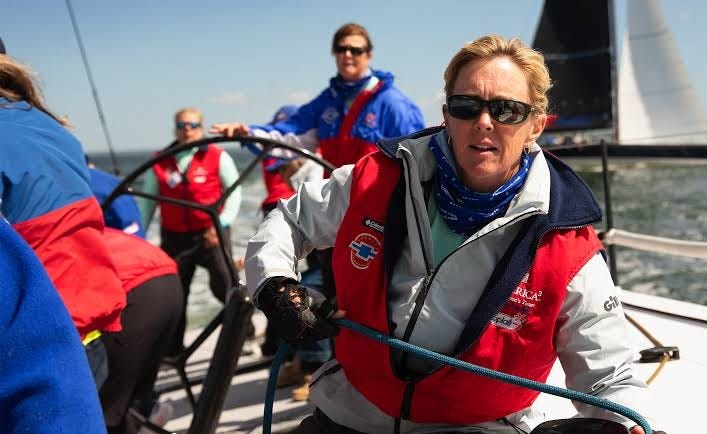
There’s something about a fairytale ending in sports. The team wins, the doubters watch, and the trophy makes a pretty solid final argument. Watching Mighty Mary, we found ourselves wanting that same ending for the women on the team. But what stuck with me most was the reminder that women don’t need a fairytale ending to break the glass ceiling. Sometimes, it’s about shattering it so someone else can come along and move us even further forward.
Directed by Mary Mazzio and narrated by Elizabeth Banks and Hugh Jackman, Mighty Mary follows the first all-women’s sailing crew to compete for the America’s Cup. By the end of the movie, we guarantee you will become emotionally attached to an entire crew, with some fairly strong opinions about decisions made decades ago.
Inside Mighty Mary
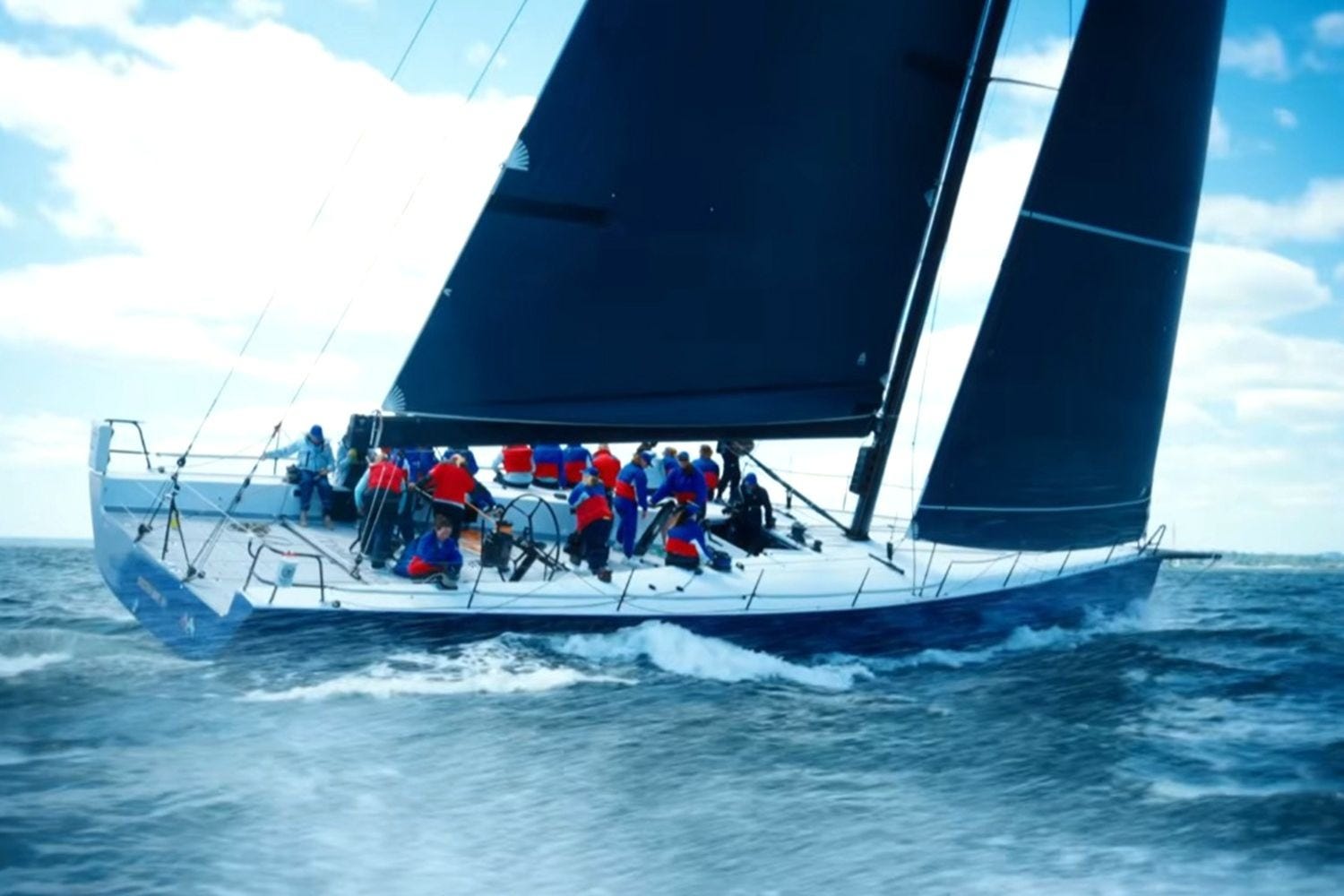
In 1994, Bill Koch announced he was assembling an all-women’s crew for the next America’s Cup campaign. His winning team in 1992 had included just one woman, Dawn Riley. Now, the challenge was finding a whole boat full of Dawns, preparing a boat, and training them to compete against some of the world’s best sailors. All in about ten months. Apparently, easing into things wasn’t on the schedule.
Hundreds of women applied, bringing different athletic backgrounds and lived experiences to a campaign that was already attracting plenty of opinions. In a sport long considered the domain of men, some people were prepared to dismiss the team as a publicity stunt. Meanwhile, the women were preparing to race, with all the work that it required and very little time to do it.
The Women Behind the Fairytale
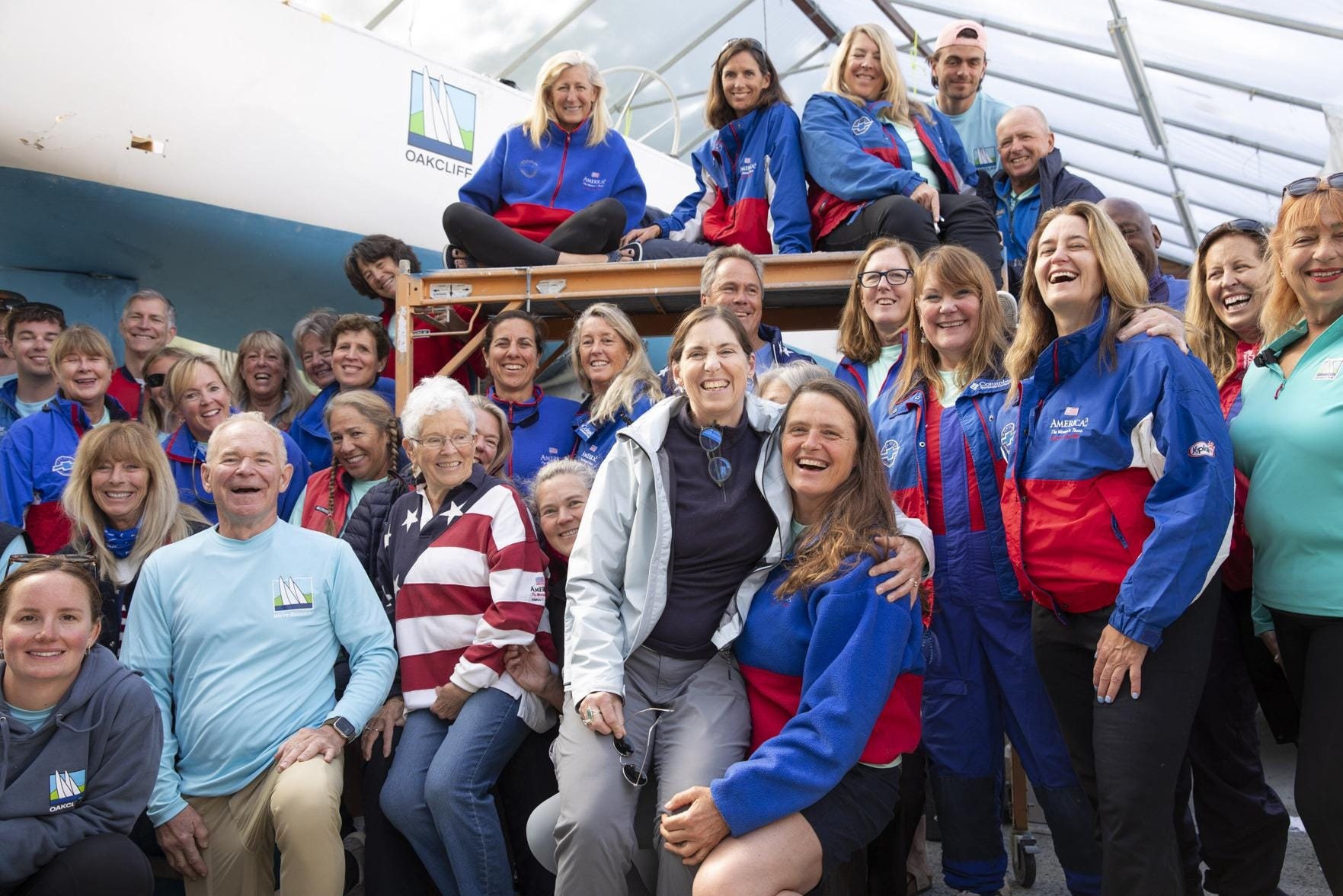
The camaraderie and desire to prove everyone wrong were some of our favorite parts of the documentary, and watching the crew live, train, and celebrate together made it easy to get attached. So did hearing their stories about how much they swore and how startled their male coaches were by it. Because of all the sailing traditions they were challenging, that one apparently had to remain intact.
We loved watching Suzette Hau’oli Smith Gurtler bring the women together in prayer before their first race, and learning about deaf bodybuilder Shelley Beattie’s contributions to the crew. These women had taken very different paths to the same boat, and getting to know them made us even more invested in what they could accomplish together.
Then there was Leslie Egnot’s grandfather watching her compete in the sport he introduced her to, because before she was part of a team making history, she was his granddaughter falling in love with sailing. We adored that the film made room for that relationship, and could feel how much this opportunity meant to the people who had believed in these women long before anyone else was paying attention.
Do You Need to Know Sailing?
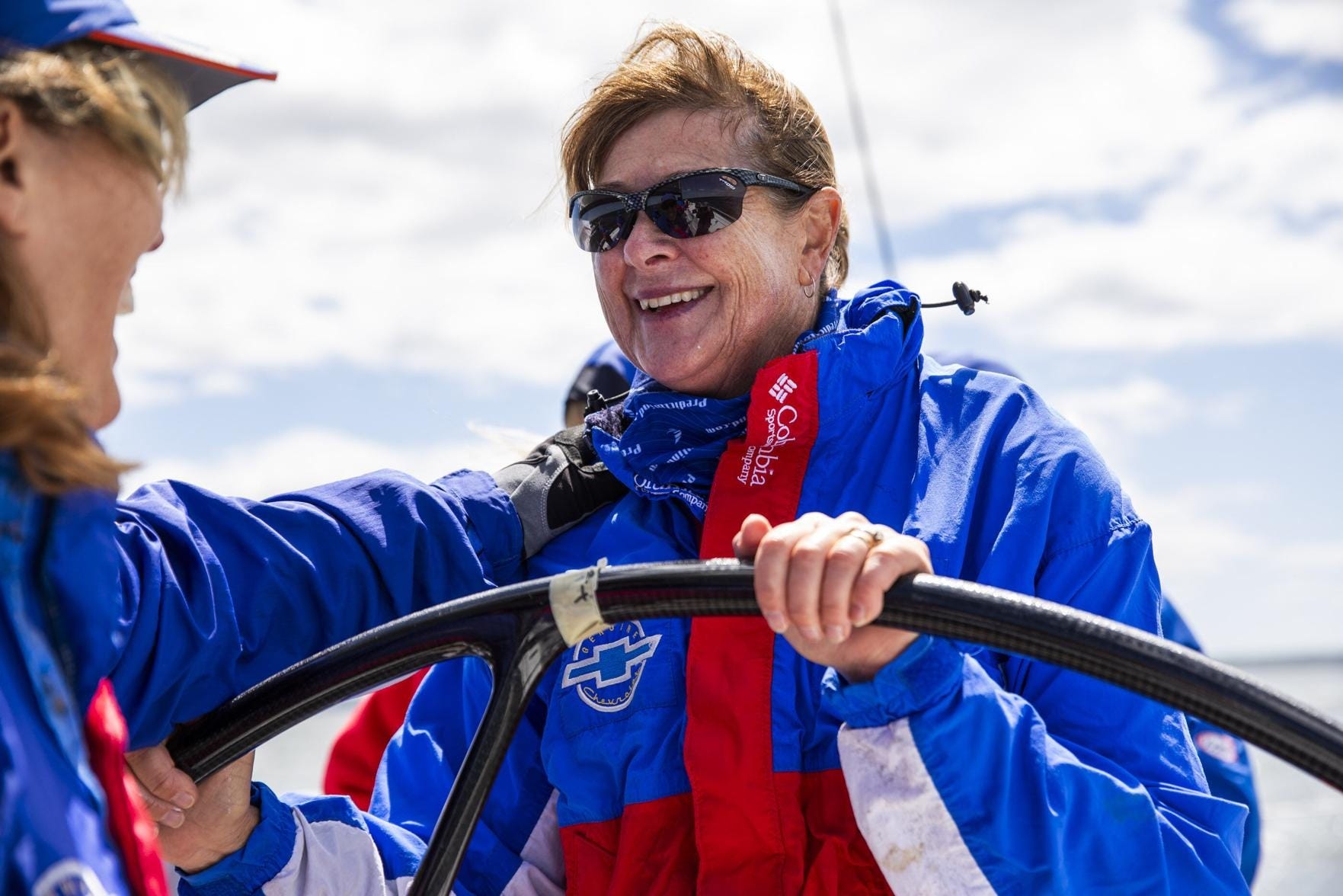
Absolutely not. We hadn’t realized how much strength, strategy, and coordination the sport required, but the race footage and interviews made it easy to follow what was at stake. Somewhere along the way, a competition we barely understood became a source of personal stress.
Including the men from rival crews Stars & Stripes and Young America in the interviews was an especially good choice. Hearing them recall facing the women, with reactions ranging from disbelief to genuine respect, added so much to the rivalry. The competitive banter was also hilarious. The men calling out “we’re back” made me laugh, but the callback at the end, with the women wearing “they’re baaaack” jerseys while filming for the documentary, was even better.
The film also explores how the lack of an appointed skipper tested the crew’s relationships. With no one given the final say, disagreements created friction among women all trying to make the same team succeed. That uncertainty adds another layer of tension to a team already under enormous pressure.
And the behind-the-scenes drama? Hello, Dennis Conner. We won’t give away the twists, because discovering them was such a big part of our experience. All we’ll say is, if Hollywood had pitched some of these developments, we probably would’ve said they were trying a little too hard. Somehow, these women actually lived through them, and our jaws were on the floor the whole time.
Worth Watching?
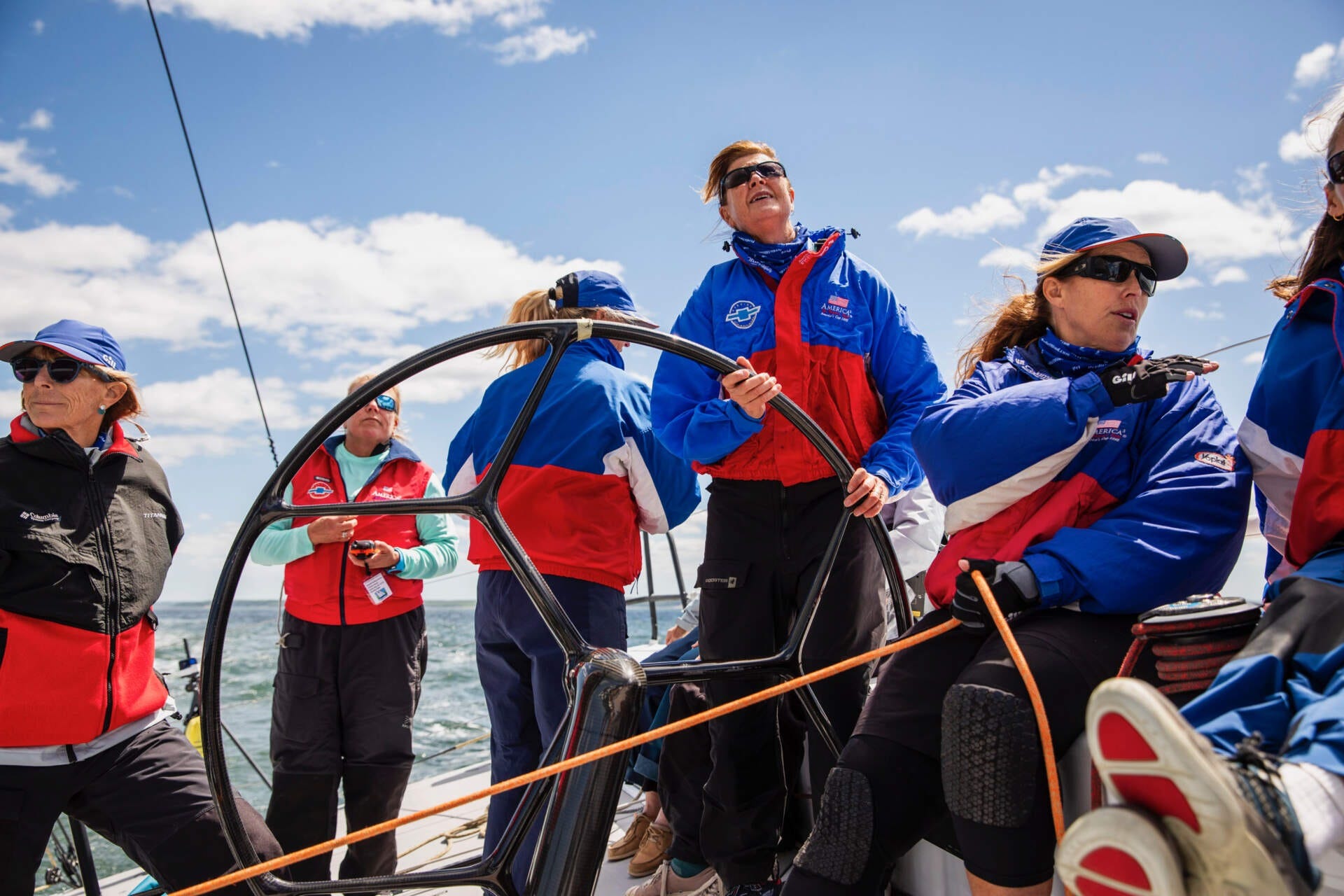
Mighty Mary hit theaters nationwide on September 11, and we couldn’t recommend it more. It’s engaging, funny, and deeply moving, with a crew that makes you care about a sport you may never have watched before. We went in wanting to see the crew prove everyone wrong and left thinking about how many women would get to go further because they went first.